





Stories that bring People together: Rachel Corenblit visits the DST
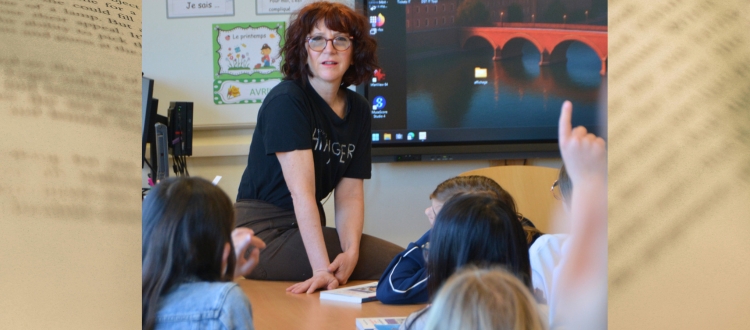
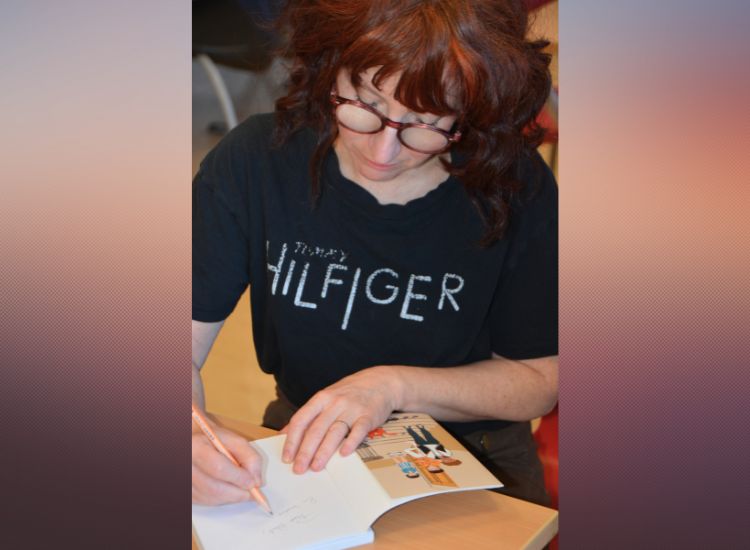
Shortly before World Book Day, author Rachel Corenblit visited the DST. In several sessions with our students, she spoke about her books – and about what the process of writing actually involves.
Rachel Corenblit writes for children, teenagers, and adults, while also working as a teacher. She lives in Colomiers, which made the encounter feel especially tangible for many pupils: not a “distant” author, but someone familiar with school life and able to speak from experience.
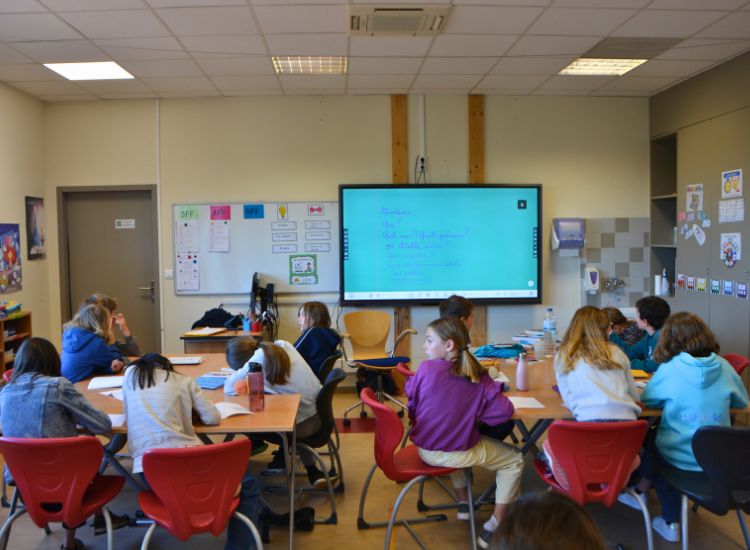
The students arrived well prepared. In class, they had worked on the books, collected questions, and discussed characters and themes in advance. This preparation, organised by the French teachers, ensured that genuine conversations quickly developed rather than simple question-and-answer sessions.
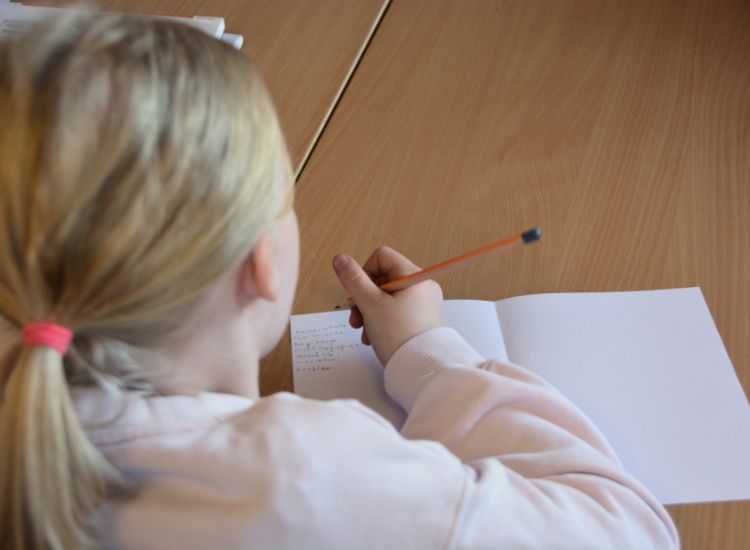
The discussions revealed how differently reading and writing are experienced at different ages. While the younger students approached writing with visible enthusiasm – inventing, experimenting, and simply starting to write – the older pupils were more interested in how stories are constructed: What makes a story exciting? Why does it move back and forth in time? And why do some stories not begin at the beginning?
Using examples from her books, Rachel Corenblit spoke about characters who evolve, historical events that become part of family stories, and the decisions authors make while writing. Particularly striking was the openness with which she described the writing process itself.
“When I start writing, I never know the ending yet,” she explained, describing writing as a journey that only takes shape along the way.
At the same time, she deliberately challenged one hope shared by some students: writing is not based purely on instinct. Texts are not created in a single attempt. They are revised, questioned, and rethought. Criticism, she explained, is an inseparable part of the process.
“Être jugé pour son livre fait partie des règles du jeu.”
“Being criticised for one’s book is simply part of the game.”
What remained was more than the memory of an author reading. It was the experience of how stories can bring people together – across generations, languages, and perspectives. It also showed that reading and writing are not finished products, but ongoing processes through which people can grow.
Our sincere thanks go to Rachel Corenblit for her openness and the inspiring exchange, as well as to the French teachers who prepared and accompanied the sessions with their classes.